Fishing in Croatia will not disappear — but it will transform from a traditional profession into a modern, regulated and partially "industrial" activity.
Fishing has been an important part of life on the Croatian coast for centuries. However, today this sector is at a turning point. Climate change, economic pressures and changes in the market have a significant impact on its future. Below is an overview of key trends, expected changes and real earnings in fisheries.
One of the biggest problems is the warming of the sea, which changes the behavior and availability of fish. New types are emerging, while some traditional ones are becoming less common. In addition, overfishing and stricter regulations limit the quantities of catches, which further reduces fishermen's incomes.
Economic factors also play a big role. The cost of fuel, ship maintenance and equipment is constantly increasing, while labor is increasingly difficult to access because younger generations rarely choose this difficult and uncertain job.
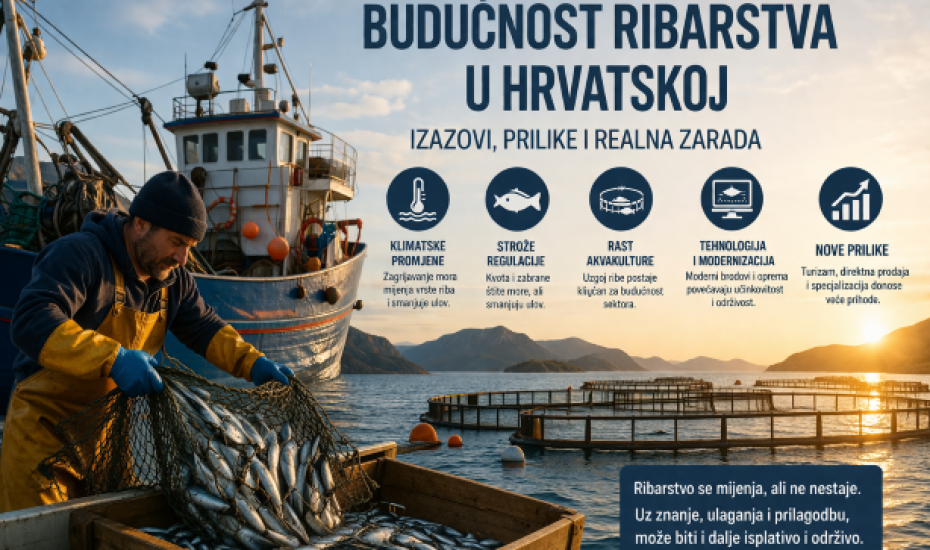
In the next 10 to 20 years, fisheries in Croatia will change significantly:
Fewer fishermen, more technology – modern boats and equipment will increase efficiency
Stricter regulations – quotas and fishing bans will become even more common
Growth of aquaculture – fish farming is increasingly replacing conventional catches
Changing fish species – more and more warm-loving and new species in the Adriatic
Higher fish prices – less supply and higher costs lead to higher prices
Of particular importance is the development of aquaculture, which is considered the most stable and promising part of the sector.
In the future, the most hunted or bred will be:
Blue fish such as sardines and anchovies
Tuna as a highly profitable species
cephalopods like squids
New species that come due to changes in sea temperature
On the other hand, some traditional types of white fish could become rarer and more expensive.
Classic fishing as the only source of income is becoming increasingly risky. Nevertheless, there are models that increase profitability:
Investing in modern equipment
The development of aquaculture
Connecting with tourism
Direct sale of fish to customers and restaurants
Success in fisheries today increasingly depends on an entrepreneurial approach, and not only on the catch itself.
Fisheries in Croatia are not on the verge of disappearing, but they are undergoing a profound transformation. The traditional way of working is gradually being replaced by a more modern, sustainable and market-oriented approach.
Those who adapt to the new conditions can generate a stable and even very good income. However, unlike in the past, fishing is no longer a safe way of life, but a demanding and changeable job that requires knowledge, investment and adaptability.
Ribarstvo u Hrvatskoj neće nestati — ali će se pretvoriti iz tradicionalnog zanimanja u modernu, reguliranu i djelomično “industrijsku” djelatnost.
Ribarstvo je stoljećima bilo važan dio života na hrvatskoj obali. Međutim, danas se ovaj sektor nalazi na prekretnici. Klimatske promjene, ekonomski pritisci i promjene u tržištu značajno utječu na njegovu budućnost. U nastavku donosimo pregled ključnih trendova, očekivanih promjena i realne zarade u ribarstvu.
Jedan od najvećih problema je zagrijavanje mora, koje mijenja ponašanje i dostupnost ribe. Pojavljuju se nove vrste, dok neke tradicionalne postaju sve rjeđe. Uz to, prelov i strože regulacije ograničavaju količine ulova, što dodatno smanjuje prihode ribara.
Ekonomski faktori također igraju veliku ulogu. Troškovi goriva, održavanja brodova i opreme stalno rastu, dok je radna snaga sve teže dostupna jer mlađe generacije rijetko biraju ovaj težak i neizvjestan posao.
U sljedećih 10 do 20 godina ribarstvo u Hrvatskoj će se značajno promijeniti:
Manje ribara, više tehnologije – moderni brodovi i oprema povećat će učinkovitost
Strože regulacije – kvote i zabrane ribolova postat će još češće
Rast akvakulture – uzgoj ribe sve više zamjenjuje klasični ulov
Promjena vrsta riba – sve više toploljubnih i novih vrsta u Jadranu
Više cijene ribe – manja ponuda i veći troškovi dovode do rasta cijena
Posebno je važan razvoj akvakulture, koji se smatra najstabilnijim i najperspektivnijim dijelom sektora.
U budućnosti će se najviše loviti ili uzgajati:
plava riba poput srdele i inćuna
tuna kao visoko profitabilna vrsta
glavonošci poput lignji
nove vrste koje dolaze zbog promjene temperature mora
S druge strane, neke tradicionalne vrste bijele ribe mogle bi postati rjeđe i skuplje.
Klasični ribolov kao jedini izvor prihoda postaje sve rizičniji. Ipak, postoje modeli koji povećavaju isplativost:
ulaganje u modernu opremu
razvoj akvakulture
povezivanje s turizmom
direktna prodaja ribe kupcima i restoranima
Uspjeh u ribarstvu danas sve više ovisi o poduzetničkom pristupu, a ne samo o samom ulovu.
Ribarstvo u Hrvatskoj nije pred nestankom, ali prolazi kroz duboku transformaciju. Tradicionalni način rada postupno se zamjenjuje modernijim, održivijim i tržišno orijentiranim pristupom.
Oni koji se prilagode novim uvjetima mogu ostvariti stabilan i čak vrlo dobar prihod. No, za razliku od prošlosti, ribarstvo više nije siguran način života, već zahtjevan i promjenjiv posao koji traži znanje, ulaganje i prilagodljivost.
Latest news
-
 09. May 2026.
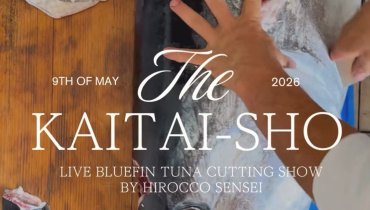
KAITAI-SHO
-
06. May 2026.
Successfully hosted LAGUR"Galeb" and RZ Tuna Adria
-
25. Apr 2026.
Tuna Cutting Night